
About Western Cape
An Overview of Western Cape Province
The Western Cape Province is one of South Africa's most picturesque and diverse regions, located on the southwestern tip of the country.
Bordered by the Atlantic Ocean to the northwest and the Indian Ocean to the south, its geographical position provides a varied landscape that includes beautiful coastlines, towering mountains, and fertile valleys. This combination of natural features contributes significantly to the province's appeal and allure.
Major cities in the Western Cape, such as Cape Town, the provincial capital, and Stellenbosch, known for its rich history and wine production, serve as key hubs for both tourism and commerce. Cape Town is internationally recognized for its iconic Table Mountain, stunning beaches, and vibrant culture, garnering millions of visitors each year. Stellenbosch, on the other hand, is celebrated for its wineries and is a center of educational excellence, housing one of the oldest universities in South Africa.
The natural beauty of the Western Cape is further accentuated by its diverse ecosystems, which range from coastal wetlands to mountainous terrains, such as the renowned Cape Fold Mountains. The region is home to numerous protected areas and national parks, including the Table Mountain National Park and the West Coast National Park, promoting biodiversity and conservation efforts.
Furthermore, the Western Cape plays a pivotal role in South Africa's economy. Agriculture, tourism, and manufacturing are significant contributors to the province's economic health, with the wine industry holding particular importance. The province is also known for its rich cultural heritage, exemplified by its historical sites and diverse population, which includes a mix of cultures and languages.
Map of Western Cape Province
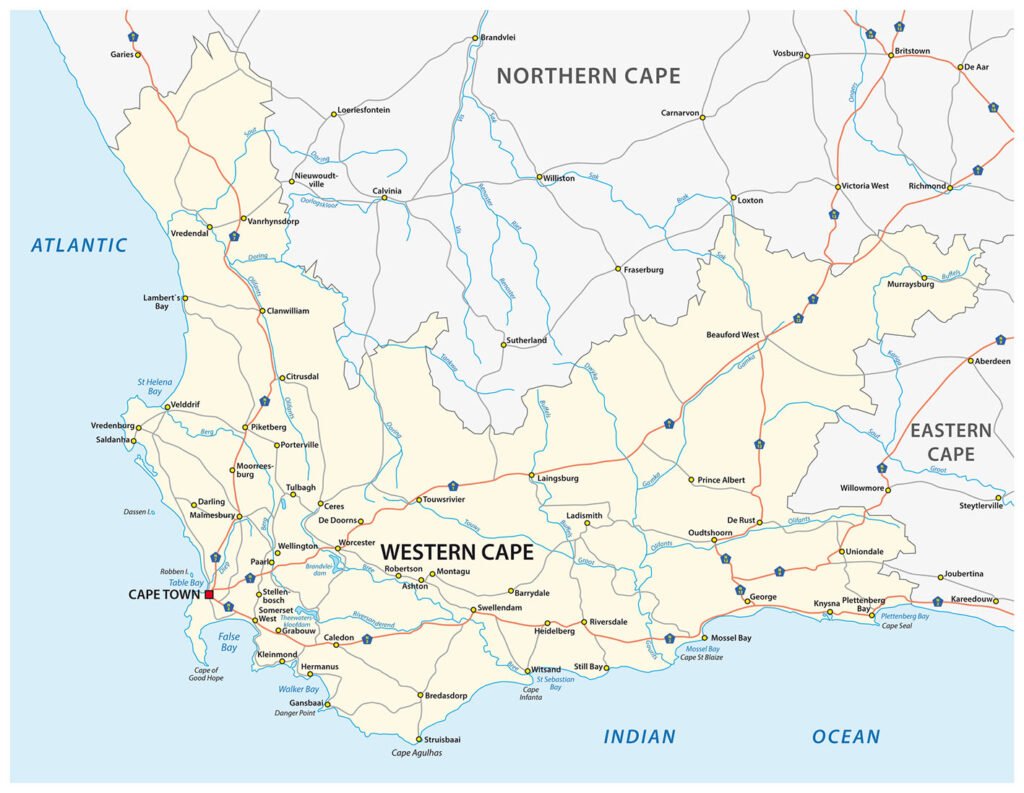
Western Cape Overview
A Brief History of the Western Cape
The Western Cape Province, situated at the southwestern tip of South Africa, boasts a rich and complex history shaped by various cultures and milestones over centuries. The region was originally inhabited by indigenous groups, including the Khoikhoi and San people, who lived off the land and established communities long before European exploration.
With the era of European colonization beginning in the 17th century, the Western Cape saw the arrival of the Dutch in 1652. Led by Jan van Riebeeck, the Dutch established a supply station at the Cape of Good Hope for passing ships en route to the East Indies. This settlement marked a significant transformation of the region as it initiated agricultural development and European settlement. Subsequently, the Dutch began importing enslaved individuals from various parts of Africa and Asia, further influencing the demographic landscape.
The British seized control of the Cape in the early 19th century, which ignited tensions with both the Dutch settlers and indigenous groups. The resulting Anglo-Dutch rivalry significantly impacted the province's historical trajectory. Major events such as the Great Trek in the 1830s, where Afrikaner settlers moved inland, contributed to the emergence of distinct cultural identities within the province.
The Western Cape also played a crucial role in the broader context of South African history, particularly during the Apartheid era. As a historically diverse region, it became a focal point for various resistance movements against oppressive policies. Notably, leaders such as Nelson Mandela had strong ties to the province, further cementing its place in the narrative of the nation's struggle for freedom.
Today, the Western Cape is celebrated for its cultural heritage, scenic beauty, and historical significance, while the remnants of its rich past continue to influence modern South African society.
Climate of the Western Cape
The Western Cape province of South Africa is renowned for its diverse climate, primarily characterized by a Mediterranean climate. This climatic region is distinguished by hot, dry summers and cool, wet winters, creating a unique environment that greatly influences various facets of life in the area.
Summer months, stretching from December to February, witness temperatures soaring between 25°C to 30°C (77°F to 86°F), making it an ideal time for beach tourism and outdoor activities. The dry heat is often enjoyed by both locals and visitors, with an influx of tourists drawn to the province's stunning coastal regions and wine estates. However, during this season, the region's infrastructure and ecosystems demonstrate high resilience towards potential drought conditions.
In contrast, winter months from June to August experience cooler temperatures, ranging between 6°C to 18°C (43°F to 64°F). These months are marked by increased rainfall, predominantly between May and August, providing critical water resources for agriculture and replenishing the natural environment. The rainfall supports biodiversity in the region, fostering the growth of vineyards, fruit orchards, and other agricultural ventures essential for the local economy.
The climate's impact extends to lifestyle choices, with outdoor events and festivals commonly organized during the summer season to leverage favorable weather conditions. Conversely, winter months often focus on indoor activities and culinary experiences, particularly in the wine regions.
Overall, the Western Cape province's climate plays a pivotal role in shaping agricultural production, tourism, and everyday life. Understanding the regional climate patterns fosters appreciation for its significance in sustaining the local economy and cultural richness.
Demographics of the Western Cape
The Western Cape Province is renowned for its rich demographic diversity, which plays a significant role in shaping the region's unique cultural landscape. As of the latest census, the province boasts a population of approximately 7 million inhabitants, making it one of the most populous areas in South Africa. The population reflects a broad spectrum of ethnic backgrounds, including African, Coloured, Indian, and White communities. This ethnic diversity contributes to a vibrant mosaic of traditions, festivals, and lifestyles that are celebrated across the province.
Within the context of language, the Western Cape is predominantly multilingual. The most widely spoken languages in the region include Afrikaans, English, and isiXhosa. Afrikaans, often associated with the Coloured community, is prevalent in many urban and rural areas. English serves as a principal medium of communication in business and education, while isiXhosa is primarily spoken among African communities, further exemplifying the province's cultural richness.
Population trends in the Western Cape indicate a gradual increase, with urbanization leading many individuals to migrate towards major cities such as Cape Town. This urban migration influences not only the provincial economy but also the demographic fabric, introducing new dynamics in social structures, education, and employment opportunities. As new populations settle in urban areas, cultural exchanges occur, enriching the local heritage with additional customs, cuisines, and artistic expressions.
The interplay of ethnicity, language, and migration significantly shapes the culture of the Western Cape. The intermingling of different peoples has led to a rich tapestry of cultural practices, from music and culinary arts to communal festivals, which celebrate both traditional and contemporary influences. In summary, the demographics of the Western Cape encapsulate the essence of a diverse society striving towards coexistence and cultural appreciation.
Economy of the Western Cape
The economy of the Western Cape is diverse and plays a fundamental role in the overall economic landscape of South Africa. This province, known for its natural beauty and strategic location, boasts a range of key industries that contribute significantly to its gross domestic product. Among these, agriculture, tourism, manufacturing, and technology stand out as the primary pillars of the provincial economy.
Agriculture is one of the oldest and most vital sectors in the Western Cape, encompassing activities such as viticulture, fruit production, and vegetable farming. The region's favorable climate and fertile soil make it particularly suitable for the cultivation of vineyards and orchards, which positions the province as a leading wine producer internationally. The agricultural sector not only provides employment opportunities but also boosts export revenues, thus strengthening the economic framework of the area.
Tourism is another cornerstone of the Western Cape economy, attracting millions of local and international visitors annually. Iconic attractions such as Table Mountain, the Cape Winelands, and the scenic Garden Route enhance the province's appeal. The tourism sector generates substantial income and provides numerous jobs, fostering local entrepreneurship and development in related industries, such as hospitality and transport.
In addition to agriculture and tourism, the manufacturing sector in the Western Cape is evolving, showcasing a range of products from food processing to high-tech electronic devices. This growth is supported by advancements in technology, which have facilitated the rise of tech-driven startups within the province. The focus on innovation signifies a shift from traditional industries towards a knowledge-based economy.
Despite these opportunities, the Western Cape's economy faces several challenges, including a high unemployment rate and social inequalities. Addressing these issues necessitates concerted efforts from both the government and private sector stakeholders, aiming for sustainable growth. The diverse economic activities present not only highlight the province's strengths but also underscore the need for strategic planning to ensure long-term resilience and prosperity.
Cultural Heritage and Attractions
The Western Cape Province is a region rich in cultural heritage, shaped by its diverse communities and historical narratives. This province, home to a multitude of ethnicities, has woven together a vibrant tapestry of traditions and customs. The influences of indigenous Khoisan tribes, the colonial era, and the arrival of various immigrant groups have collectively forged a unique identity that is evident in local festivals, art, and cuisine.
One of the most significant aspects of this cultural heritage is evident in the architecture and historic landmarks spread throughout the region. Notably, the Cape Winelands offer visitors a glimpse into the rich history of viticulture. This area is known not just for its exquisite wines but also for the historic towns of Stellenbosch and Franschhoek, where Cape Dutch architecture stands as a testament to the region’s colonial past.
Table Mountain is another icon of the Western Cape, renowned not only for its natural beauty but also for its historical importance. This natural landmark is a World Heritage Site and has profound cultural significance for the indigenous people of the area. It stands as a symbol of local heritage and attracts tourists from around the globe.
Robben Island, now a UNESCO World Heritage Site, carries rich historical weight as the former prison of Nelson Mandela and other political prisoners during the apartheid era. Visiting the island provides deep insights into the struggles for freedom and justice in South Africa, showcasing the resilience of its people.
The Western Cape's cultural heritage and attractions beautifully blend history and tradition, offering a profound reflection of its multifaceted past and an uninterrupted legacy that continues to inspire and educate both locals and visitors alike.
Environmental Features and Conservation
The Western Cape Province is renowned for its exceptional biodiversity and striking environmental features, making it a focal point for wildlife enthusiasts and conservationists alike. This region is characterized by a varied landscape that includes mountains, coastal areas, and expansive fynbos, a unique type of shrubland that is endemic to the Cape Floral Region. The rich plant life here is home to numerous endemic species that contribute to the ecological significance of the area.
One of the province's most notable conservation areas is Table Mountain National Park, which not only showcases the iconic Table Mountain but also serves to protect diverse habitats. The park supports a wealth of wildlife, including our endangered species. In addition to Table Mountain, the Western Cape is home to other critical conservation sites such as the West Coast National Park and the Agulhas National Park. These parks play a vital role in safeguarding the region's ecological integrity and heritage.
Marine conservation is also a significant focus in the Western Cape, with several marine protected areas established to preserve aquatic ecosystems vital to local biodiversity. These reserves not only protect marine life but also promote sustainable fishing practices, ensuring the long-term health of the marine environment. Furthermore, the efforts to establish and maintain these conservation areas reflect a dedication to protect the ecological resources that are vital to the region's economy and cultural identity.
The various ecosystems of the Western Cape are interconnected and vital for maintaining regional biodiversity. Conservation initiatives throughout the province seek to mitigate the impacts of urbanization and climate change, aiming to ensure the protection of the unique flora and fauna that thrive in this remarkable part of South Africa.
Tourism in the Western Cape
The Western Cape, renowned for its stunning landscapes and vibrant culture, is a premier tourist destination in South Africa. Visitors flock to this province for its diverse experiences, which range from breathtaking natural beauty to rich historical and cultural attractions. Among the most notable tourist destinations are the Cape Winelands, the lush Garden Route, and the iconic Table Mountain, all of which draw millions of visitors annually.
Adventure enthusiasts can find numerous activities to engage in, such as hiking, surfing, and whale watching. The region is particularly famous for its hiking trails, especially the Cape of Good Hope and the extensive network within Table Mountain National Park. Additionally, the coastal towns of Hermanus and Plettenberg Bay offer excellent opportunities for spotting Southern Right whales during their migration period, creating unforgettable experiences for both locals and tourists.
Cultural experiences are equally rich in the Western Cape, where visitors can explore historical sites like Robben Island, where Nelson Mandela was imprisoned, and the District Six Museum, which recounts the story of displacement during apartheid. The blend of various cultures—including Indigenous, colonial, and modern influences—can be observed in local architecture, cuisine, and festivals, further enhancing the appeal of the region.
The tourism industry is an essential contributor to the Western Cape's economy, generating thousands of jobs, stimulating local businesses, and attracting foreign investment. In recent years, efforts have been made to promote sustainable tourism practices that protect the environment while still allowing tourists to enjoy the natural beauty of the Western Cape. As such, the ongoing development of eco-friendly initiatives aims to ensure that this remarkable region remains a top travel destination for future generations.